 เบโต้ แอบบราซีฟ
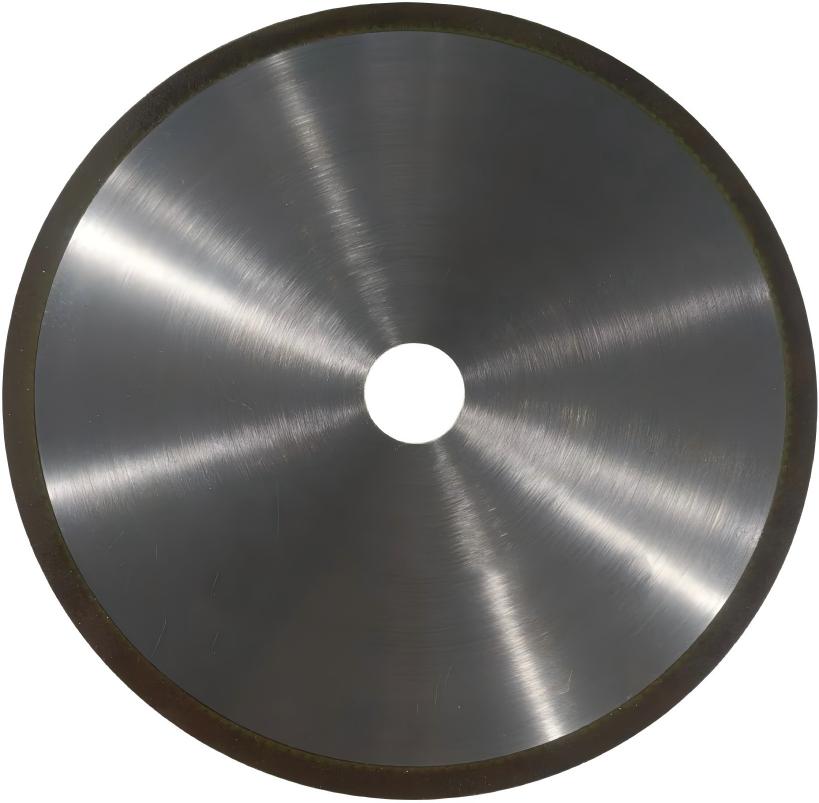
A consumer from local China market contacted our company’s sales representative in September 2024, regarding business cooperation on resin-bonded diamond cutting wheels. The client uses cutting wheels to machine equipment guide rails. Previously, they adopted a conventional down-feed dry cutting machine, which suffered from low cutting efficiency and required secondary finishing to trim cutting edges.
To boost processing efficiency, the client recently purchased a new wet high-speed automatic cutting machine that fits cutting wheels of specification B1A1R D200×T1.0×H25.4. The machine was delivered with one OEM cutting wheel, which broke down during trial operation.
This B1A1R D200×T1.0×H25.4 size is a standard product in our factory. We keep stock ready for various workpiece materials, so we arranged the shipment of two pieces the very same day.
After receiving and testing the products, the client gave feedback that the cutting wheel featured sharp cutting performance and satisfactory service life. However, the abrasive segment chipped off when the wheel was one-third worn, so the client requested another two replacement pieces.
We later held a video call with the client to inspect their cutting equipment and on-site cutting procedures, and analyzed the root causes of the damaged cutting wheel. Generally speaking, there are two main causes for chipping of the abrasive segments on resin-bonded diamond cutting wheels:
1. Improper cutting parameters with excessively fast feed rate
The maximum peripheral line speed of resin-bonded diamond cutting wheels is 60 m/s. For a wheel with an outer diameter of 200 mm, the machine delivers maximum cutting capacity at a rotational speed of approximately 5000 RPM under safe operating conditions. If the spindle speed is too low, the cutting power of the wheel will drop. Combined with an overly aggressive feed rate, the abrasive segments are highly prone to cracking and chipping. We advised the client to calculate the actual peripheral line speed and reduce the feed rate accordingly.
2. Incorrect wheel mounting
The primary cause of chipping encountered by this client was improper installation of the cutting wheel. The flange supplied with the cutting machine has an outer diameter of roughly 50 mm. Even after the wheel was tightly fastened, obvious vibration occurred during no-load operation. We recommended the client enlarge the outer diameter of the spindle flange of the cutting machine (without interfering with normal operation) to eliminate vibration during idle running of the cutting wheel.
The above is a case study analyzing the causes of abrasive segment chipping based on this real customer issue. We hope this reference can assist practitioners in the selection and proper application of diamond cutting wheels.